


These are tough economic times and every kilowatt hour counts. Property owners also have to deal with new EU regulations and rapid developments in the digitalisation of properties. In all of this, we believe it is important to look at what should be prioritised to quickly reduce energy costs.
Everyone agrees that natural refrigerants are the way to go. But what do you do along the way, many people wonder? It is not just scrapping the heat pumps you have and installing new ones. There are huge amounts of new investments involved.
In a heating system with a heat pump as the primary heat source, a peak and back-up function in the form of either district heating or an electric boiler is needed in the event of a heat pump failure.
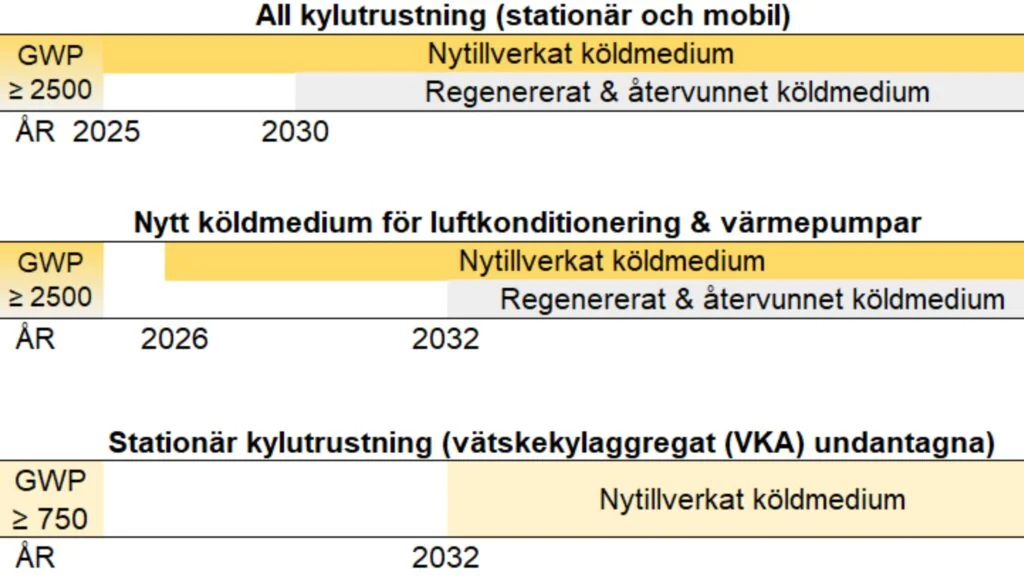
In 2024, we received a new F-gas regulation which means, among other things, that refrigerants with >2500 in GWP will be phased out. The consequence of this is that there is already a shortage of some refrigerants and in 2032 there will be a refill stop on refrigerants with >2500 in GWP.
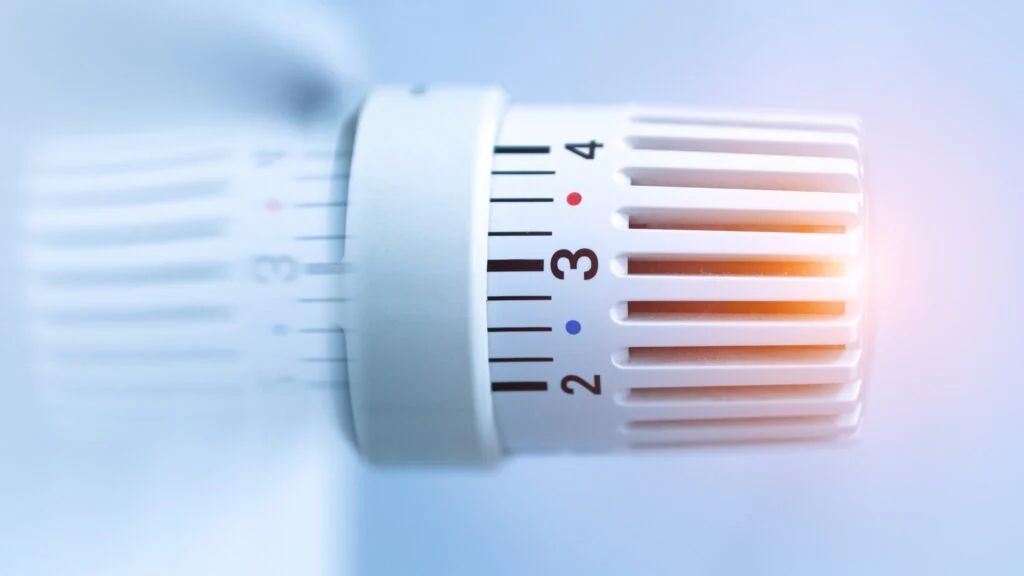
It may sound almost too good to be true, but according to the Swedish Energy Agency, you can save up to 30 % by having functioning radiator thermostats.
Our business concept is to help property owners achieve safe, efficient and sustainable operation with our services and products for heating systems. Our customers are state, municipal and private property companies in cooperation with the companies with which our customers have framework agreements.
The first thing to do when entering a substation is to check for water leaks. The simplest check is to see if there is water on the floor and check if there is pressure in the system.
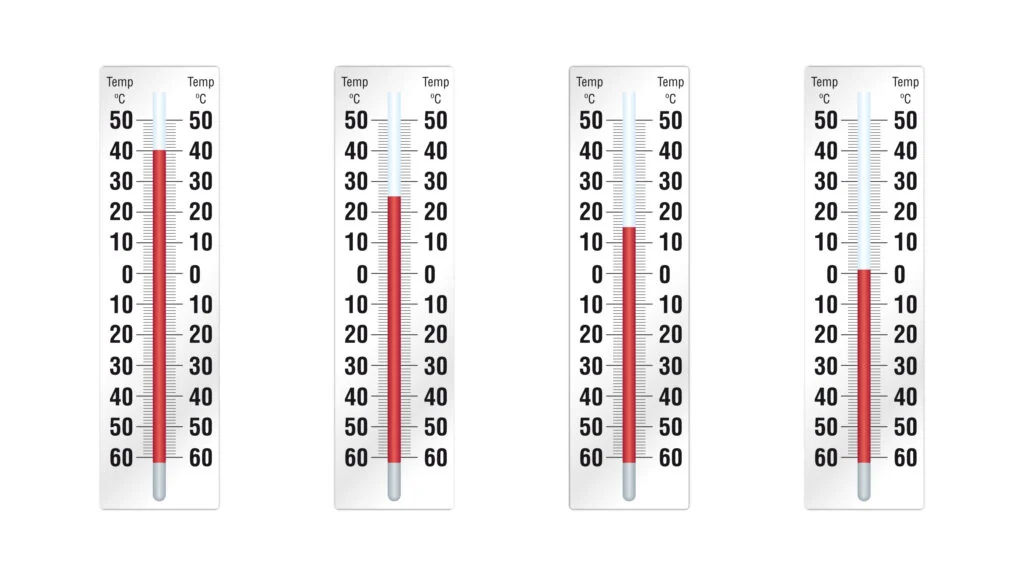
A compressor is the part of a heat pump that creates heat, and to reduce the risk of compressor failure, both the heat and cold carriers need to be at the right temperature.
When a ground source heat pump is installed, it should come with a number of documents. Many of the heat pumps we have carried out status checks on over the years have had inadequate or completely missing technical documentation.
We use essential cookies to make our website work. With your consent, we also use non-essential cookies to improve the user experience and analyze website traffic. You can change your cookie settings at any time by clicking on Cookie settings..
Which cookies do you want to accept?
This website uses cookies
We use different types of cookies to optimize your experience on our website. Click on the categories below to learn more about their purposes. You can choose which types of cookies to allow and can change your settings at any time. Remember that disabling cookies may affect your experience on the website.