


When we started our company many years ago, we sold and installed heat pumps. During that time, the constant question was whether it was the price that was the decisive factor whether the customer chose our offer or whether there were other factors that were decisive for the customer.
To have safe, efficient and sustainable heating systems, you need to have procedures. One important routine is to keep track of the phases in a heat pump. Another routine that is good to have is to measure different temperatures in a heating system.
When a ground source heat pump is installed, there should be information on the type of fluid, its concentration and quantity, as well as maintenance instructions. Unfortunately, a common error is that the concentration of the brine fluid is too low.
Before you start calculating an investment, our recommendation is that you first make sure that what is in your heating systems is working properly. Only then will you have a proper calculation to know if it is worthwhile!
When we started our business in 2003, there was no social media and we had to rely on expensive adverts. These adverts were basically throwing money down the drain and it was difficult to know how to reach out.
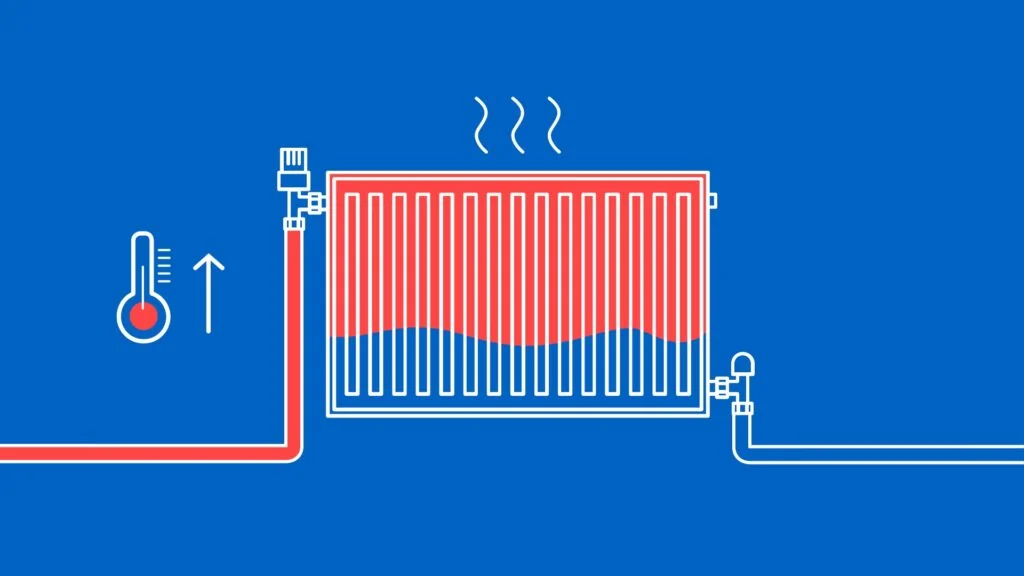
By monitoring the return temperature, you can check that the energy you are paying for is being used correctly. A rule of thumb is that there should be a difference between supply and return of about 10 degrees at +- 0 degrees.
If refrigerant leaks from a refrigeration system, it is usually in the form of a gas. Some refrigerants only smell at very high concentrations and can therefore be difficult to detect.
In a heating system, there are various temperature sensors whose task is to provide signals to the heating and hot water control system. A sensor has a limited lifetime and it is therefore important to have regular checks of the sensors in the system so that you do not burn for the crows.
Making a heating system more energy efficient is first and foremost about reducing operating costs. Reducing the cost means that you also need to include reliability and sustainability in the calculation. But how do you do this and where do you start?
If you have no alarms and no one is freezing, how do you ensure that your heating systems are safe, efficient and sustainable? For us, it's about operational strategy. In other words, deciding how to manage the heating systems in your organisation and how to control them.
We use essential cookies to make our website work. With your consent, we also use non-essential cookies to improve the user experience and analyze website traffic. You can change your cookie settings at any time by clicking on Cookie settings..
Which cookies do you want to accept?
This website uses cookies
We use different types of cookies to optimize your experience on our website. Click on the categories below to learn more about their purposes. You can choose which types of cookies to allow and can change your settings at any time. Remember that disabling cookies may affect your experience on the website.